
Merchants operating in the EU market, whether selling small digital products like wireless earbuds and power banks, or large items like electric scooters and new energy vehicles, have more or less heard of EPR. However, there are often cognitive biases regarding battery EPR rules—for example, believing that built-in batteries do not need separate management, that a registration number from one country is valid across the EU, or that CE certification can replace EPR. These biases can easily lead to compliance risks. This article systematically sorts out the core rules of EU battery EPR, covering basic definitions, scope of application, core obligations, practical operation steps, national differences, and new regulatory requirements. Newcomers can implement them directly, and experienced sellers can use them to check for risks.
Basic Understanding: What is Battery EPR and Why It Must Be Taken Seriously
The core logic of battery EPR is “whoever places batteries on the market bears the recycling responsibility”—as long as you place batteries or battery-powered products on the EU market, you must bear the corresponding responsibilities and related costs for the recycling and treatment of these batteries after they are discarded, within the applicable scope.
This logic corresponds to the EU’s general environmental protection and recycling system Extended Producer Responsibility (EPR), which extends the producer’s responsibility from the product sales stage to the post-discard treatment stage. Since batteries contain heavy metals such as mercury, cadmium, and lead, as well as key raw materials such as lithium, cobalt, and nickel, they are prone to polluting soil and water sources, and their recycling and treatment costs are much higher than ordinary products. Therefore, the EU has formulated stricter separate EPR rules specifically for batteries.
The EU has three core purposes for introducing battery EPR rules: first, to solve the problem of waste battery pollution, preventing heavy metals and electrolytes from seeping into soil and groundwater and endangering the environment and human health; second, to improve resource utilization efficiency, reducing dependence on primary mineral resources by recycling key raw materials from waste batteries; third, to force the optimization of product design, allowing producers to consider the detachability and recycling convenience of batteries at the design stage, reducing treatment difficulty from the source.
Currently, EU battery EPR is in the transition period of alternating old and new regulations, implementing a two-tier framework:
The old foundation is the Battery Directive issued in 2006, which does not directly take effect in each country and needs to be transposed into national law by each member state for implementation; each member state can adjust the details.
The new rule is the EU Battery Regulation (EU 2023/1542), which officially entered into force in 2023. It is directly applicable across the EU without national transposition, and will replace the old Battery Directive in phases, eventually unifying the core rules across the EU.
Note: What the EU formulates are only minimum requirements, and member states can formulate stricter rules. The specific implementation shall be subject to the detailed rules of the target sales country, and cannot only refer to the unified EU regulations.
Merchants who are new to EPR often easily confuse different compliance requirements. The three most common concepts can be quickly distinguished by the following table:
| Comparison Item | Core Control Content | Relationship with Battery EPR |
| Packaging EPR | Recycling and treatment responsibility for product outer packaging and sales packaging | Different control objects; battery-containing products may trigger both types of obligations at the same time, and they cannot replace each other |
| CE Certification | Product conformity and market access mark under specific harmonized regulations | Completely different compliance directions: CE corresponds to the conformity requirements for product access, while EPR corresponds to the recycling responsibility after discard. Even with CE, EPR must be completed as required |
| WEEE (Waste Electrical and Electronic Equipment) | Waste recycling responsibility for complete electrical and electronic equipment | Batteries are a separately controlled category; electrical and electronic equipment with batteries needs to meet both WEEE and battery EPR requirements |
Scope of Application Judgment: Does Your Product/Business Need Compliance?
To determine whether compliance is required, you can check one by one from four dimensions: control scope, responsible entity, special scenarios, and exemption situations.
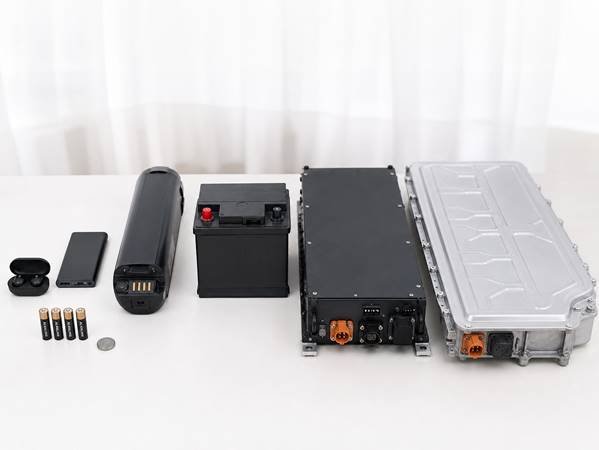
EU battery classification is divided by end use, regardless of battery shape, voltage, or detachability—even a non-removable battery soldered into a product needs to comply with the rules as long as it falls into the corresponding use category. There are 5 categories of controlled batteries, which can be directly mapped to common scenarios:
1. Portable batteries: The widest coverage, including mobile phones, wireless earbuds, power banks, button batteries, AA/AAA rechargeable/disposable batteries, and built-in non-removable batteries of small digital products.
2. Light Means of Transport (LMT) batteries: Batteries for light mobility tools such as electric bicycles, electric scooters, and balance cars.
3. Starting (SLI) batteries: Batteries used for starting, lighting, and ignition of fuel vehicles, i.e., conventional car batteries.
4. Industrial batteries: Large-capacity industrial batteries used for forklifts, factory production equipment, and energy storage power stations.
5. Electric Vehicle (EV) batteries: Power batteries for new energy passenger vehicles and commercial vehicles.
The core judgment standard for the responsible entity (i.e., the “producer” in the regulation) is whether it is the first to put batteries into the supply, distribution or use link of the EU market, regardless of the production location and warehouse location. “Placing on the market” here refers to the first inclusion of batteries into the commercial circulation chain within the EU, which needs to be comprehensively determined based on import records, sales contracts, invoices, platform orders, and product flow: simply storing goods in an EU overseas warehouse without entering distribution or sales arrangements does not constitute placing on the market for the time being; but if the goods have been purchased, resold by an EU importer, or clearly entered the sales chain, it is deemed to be placed on the market.
Specific responsible entities can be divided into several categories:
• Entities within the EU: local battery manufacturers, own-brand sellers, and importers who import batteries from non-EU countries.
• Non-EU cross-border sellers: those who directly sell batteries or battery-containing products to EU consumers must bear producer responsibility, and must designate a legal entity within the EU as an authorized representative to liaise with regulators and bear joint and several liability.
• E-commerce platforms: although they may require sellers to upload EPR registration numbers or withhold part of the recycling fees, this is only a platform management measure, and the final compliance responsibility still rests with the corresponding producer.
For three types of special scenarios that are prone to disputes, the division of responsibilities must be clear:
• Built-in/included batteries: Batteries sold with the complete product (such as built-in batteries in mobile phones, button batteries included with toys) need to bear battery EPR obligations separately, and the responsibility is not exempted because they are installed in the product.
• After-sales replacement batteries: Separately sold replacement batteries need to be individually identified and fulfill EPR obligations; for waste batteries replaced during maintenance services, the responsibility for handover and recycling needs to be confirmed based on the roles of the maintenance provider, the placer of the replacement battery, the user, and local rules, and cannot be directly presumed to be fully borne by the product seller.
• B2B projects/industrial batteries: When selling batteries to enterprise customers, the recycling operation process and cost sharing of decommissioned batteries can be agreed in the contract, but the producer who first places the batteries on the market still bears the final legal responsibility, and delivery does not mean automatic transfer of responsibility.
The scope of exemptions is extremely narrow and cannot be expanded on one’s own, including only: special batteries for military, aerospace, and nuclear facilities; scientific research samples not in commercial circulation; batteries carried in personal luggage.
In response to the frequently asked question by merchants “whether small batches are exempt”, there is no unified small-batch exemption rule at the EU level. Whether there is a simplification or exemption policy and what the threshold is are subject to the regulations of each member state, and it cannot be assumed that low sales volume means no compliance is required.
Core Basic Obligations: Mandatory Requirements That Must Be Completed Currently
After confirming that compliance is required, the following are the mandatory requirements currently in force, none of which can be omitted.
Registration Requirements: One Registration per Country, Obtain Exclusive Identification Number
Battery EPR implements the rule of one registration per country. You need to complete official registration in as many EU countries as you sell in, and there is no EU-wide EPR registration number.
Registration usually includes two linked links: first, producer registration at the regulatory level of the member state to obtain an official unique identification number; second, joining a compliant recycling system (such as PRO). Most countries require joining the recycling system first to complete official registration, and the specific process is subject to the rules of each country.
Non-EU entities cannot directly submit registration applications and must entrust a qualified EU authorized representative to handle it on their behalf.
The use of the registration number needs to be judged by scenario: submit or display it in accordance with the regulations of the target country and platform requirements; it only needs to be printed on the product, packaging, manual, or accompanying documents when local rules clearly require it, and there is no unified mandatory public disclosure regulation in the EU.
The registration period is usually 2-8 weeks due to the different efficiency of member states (this duration is within the experience range of service providers, not a statutory EU time limit). It is recommended to plan in advance to avoid rushing to handle it just before the product is launched.
Recycling System Requirements: Join a Compliance Responsibility Fulfillment Plan
Producers must ensure that there are legal recycling channels for the batteries placed on the market, and the recycling and treatment costs are borne by the producer. End consumers usually do not need to pay additional fees when returning corresponding types of waste batteries.
The vast majority of merchants choose to join a Producer Responsibility Organisation (PRO)—a PRO is an institution supervised by member states that assists producers in coordinating recycling and treatment affairs. Its legal nature, recognition method, and service scope (whether it covers registration agency, data declaration, etc.) vary according to the rules of member states. A PRO contract does not necessarily cover all legal obligations, which shall be subject to the contract terms and local rules.
Enterprises with particularly large scales can also apply to build their own recycling systems in accordance with local rules, but this requires strict official approval with a high threshold, and ordinary small and medium-sized merchants do not need to consider it.
In B2B scenarios, industrial batteries, power batteries, etc. can be agreed in the contract to be assisted by customers or third parties in recycling operations, but the producer who first places them on the market still bears the final legal responsibility.
Product Labeling Requirements: Mark Recycling Reminders in Accordance with Rules
At the EU level, batteries placed on the market are required to be marked with the crossed-out trash bin symbol, which is used to remind that “they must not be discarded as ordinary household waste”. In principle, this mark must be printed on the battery body, and must be clearly visible and not easy to wear; if it cannot be marked on the body due to reasons such as too small battery size (such as micro button batteries) or built-in sealing, it can be marked on the packaging, product label, or accompanying manual in accordance with the corresponding regulatory requirements, ensuring that consumers can easily obtain it before purchase or use.
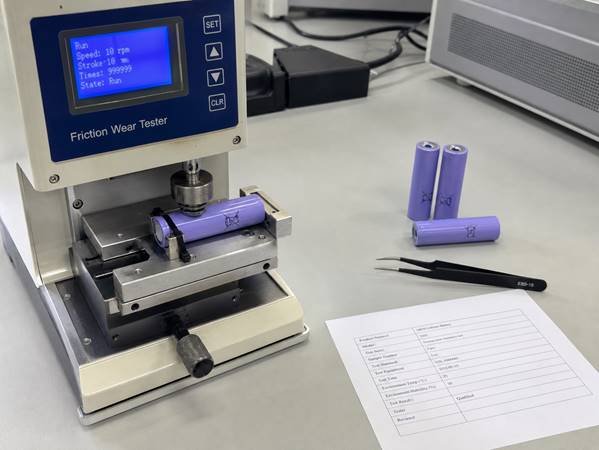
In addition to the unified crossed-out trash bin symbol, some batteries also need to be marked with information such as capacity and chemical symbols in accordance with regulatory requirements; some member states also have local additional labeling requirements (such as the French Triman symbol), which must be implemented in accordance with the rules of the country where they are placed.
Data Declaration and Fee Payment
Producers must declare information such as the quantity, type, weight, and model of batteries placed on the market in the current year to the regulatory authority or PRO as required, and must not omit or conceal reports.
Fees are calculated based on the quantity and type of batteries placed. The charging standards vary by country and PRO. Fees for power batteries and industrial batteries containing key raw materials are usually much higher than those for ordinary portable batteries.
The declaration cycle is not uniform, divided into monthly, quarterly, annual, etc., and the specific one is subject to the rules of the member state and the joined PRO.
Record Retention and Current Recycling Targets
All compliance-related materials, including placement records, declaration data, payment vouchers, recycling contracts, etc., must be retained for at least 5 years for regulatory spot checks.
During the current transition period, the minimum collection rate requirement of the 2006 old Battery Directive applies: the target collection rate for portable batteries is 45% (by weight, i.e., the ratio of the weight of collected waste portable batteries to the volume placed in the current year), and member states can set standards higher than those of the EU.
Note: The four types of recycling-related indicators must not be confused—
• Collection rate: the ratio of the amount of waste batteries collected to the volume placed on the market in the current year;
• Recycling efficiency: the proportion of recyclable materials in the collected waste batteries;
• Material recovery rate: the proportion of specific metals recovered from waste batteries;
• Recycled material content: the proportion of recycled materials used in newly produced batteries.
Practical Compliance Steps from 0 to 1: Directly Implementable for Beginners
Compliance implementation can be advanced in the following five steps:
Step 1: Pre-compliance Judgment
First sort out the basic information to avoid wasting costs on blind registration. Three core pieces of information need to be confirmed: whether you are a responsible entity, which EU countries you actually sell in, which category the sold batteries belong to, and what the unit weight is. Exclude products that do not require compliance against the exemption situations, and list all battery SKUs that require compliance; corresponding parameters will be used for subsequent registration and declaration.
Step 2: Select a Service Provider and Complete Registration
Non-EU entities must first select a qualified EU authorized representative, and then select a locally officially recognized PRO for each sales country. It is necessary to verify the official recognition qualification of the PRO and confirm that the registration number obtained with its assistance can be queried in the local official system to avoid encountering fraudulent service providers. The basic materials required for registration usually include enterprise qualification documents and detailed information of battery products (type, weight, material, etc.). Preparing in advance can speed up the process.
Step 3: Product Labeling Rectification
After obtaining the registration number, immediately print the unified crossed-out trash bin symbol and local special marks (such as the French Triman symbol) in accordance with the requirements of the country where the product is placed. The format and position of the marks must comply with the corresponding rules. E-commerce sellers need to upload the EPR registration number to the backend as required by the platform; if local rules or the platform require display on the detail page, it must be publicly disclosed as required. For products with built-in batteries, the mark can be placed in the manual or in an easily visible position on the product (such as the body label).
Step 4: Establish a Compliance Ledger
The ledger is the core basis for subsequent declarations and response to spot checks, and must be established perfectly from the beginning. It is necessary to record the type, weight, country of placement, and time of placement of each batch of batteries, and each entry must be verifiable. For products with built-in batteries, the battery weight must be separated separately, and only the battery weight shall be declared when declaring. It is not allowed to declare based on the weight of the complete product, otherwise it may lead to overpayment of fees or being judged as non-compliant due to data inconsistency.
Step 5: Daily Compliance Maintenance
Compliance is not a one-time thing, and daily maintenance is still required after registration is completed. Data declaration and fee payment must be completed on time in accordance with the cycle required by the member state and PRO to avoid overdue. When product categories change or new sales countries are added, registration information must be updated in a timely manner. It is recommended to regularly check the validity of the registration number and the compliance of product labels to avoid non-compliance due to rule updates.
Implementation Differences in Major Member States: Country-by-Country Judgment Logic
If you are laying out multiple EU national markets, you need to understand the implementation differences of different member states to avoid pitfalls in details.
Germany: A Representative Market with the Strictest Supervision
Producer registration for German battery EPR is handled through the official system of Stiftung ear (German Foundation for Electrical and Electronic Equipment Recycling). The prerequisite is that you must first join a PRO officially recognized by Germany before completing the registration process. Germany has high requirements for the accuracy of declaration data, which requires declaration by specific model and weight details, and the ledger must be refined to the battery parameters of the corresponding SKU. Note: Registration, joining the recycling system, and annual declaration are three independent but linked links, each of which must comply with German rules.
France: With Additional Labeling and Simplification Policies
French battery EPR is under the supervision of the French Environment and Energy Management Agency (ADEME). Producers must first complete official registration to obtain a unique identification number, and then join an accredited PRO to fulfill recycling declaration obligations. The most special requirement in France is that the local Triman symbol and the corresponding Info-tri classification guide must be additionally printed. The specific template, language, size, and display position shall be subject to the latest requirements of the corresponding PRO and the official authority to avoid being judged as non-compliant due to format inconsistency. France has a simplified declaration mechanism for small-volume portable battery producers. The specific threshold, scope of application, and process shall be subject to the current rules of the French competent authority and the cooperating PRO. Simplification is only process optimization and does not equal exemption from compliance obligations.
Core Differences in Other Major Markets
• Spain: For battery EPR registration, local entities need to provide a Spanish tax number, and non-EU producers need to designate an authorized representative within Spain to handle it. The specific material requirements are subject to the rules of the local registration system.
• Italy: The registration, recycling system, and declaration requirements for battery EPR are specifically implemented by national rules. Recycling indicators related to power batteries need to be checked against the latest local regulations, and cannot only refer to the EU minimum standards.
Overall, there are differences in charging standards, declaration cycles, and language requirements among countries, which can be judged by the general method:
1. List all EU countries where you actually sell and the corresponding platform sites; there is no need to cover countries where you do not sell to increase unnecessary costs.
2. Confirm the registration and declaration rules for the corresponding battery categories by country.
3. Verify local labeling requirements, declaration language requirements, and materials to be submitted by the platform.
4. Prioritize handling markets with the largest sales volume and the strictest supervision (such as Germany and France), and then gradually cover other small markets.
New Requirements Added by the 2023 New Battery Regulation: Future Compliance Direction
The EU Battery Regulation (EU 2023/1542) adopted in 2023 officially entered into force in August 2023, and core obligations will be implemented in phases starting from February 18, 2024. Different requirements correspond to different battery categories, capacity thresholds, and implementation times. Currently, it is still in the transition period between old and new rules, and basic EPR obligations are still implemented in accordance with the old directive and current national rules.
Design and Sustainability Requirements
• Removable and replaceable requirements: Applicable to portable batteries and Light Means of Transport (LMT) batteries, effective from 2027, requiring that batteries can be safely removed and replaced by consumers or independent repairers, and unreasonable removal obstacles must not be set.
• Hazardous substances and performance labeling: Limits on heavy metals such as mercury, cadmium, and lead are further tightened, and some categories of batteries need to be marked with performance grades. The specific applicable categories and time are subject to the implementation rules of the regulation.
Information Disclosure Upgrade Requirements
• Carbon footprint declaration: Applicable to Electric Vehicle (EV) batteries, LMT batteries, and industrial batteries with a capacity of ≥2kWh. Carbon footprint reports shall be submitted in phases and disclosed to the public. The specific time nodes depend on the battery category.
• Digital Battery Passport: Applicable to EV batteries, LMT batteries, and industrial batteries with a capacity of ≥2kWh, to be gradually implemented from 2027, equivalent to the electronic ID card of the battery. The fields explicitly required by the regulation to be disclosed include composition, production information, recycling paths, etc. Extended information such as maintenance records is subject to voluntary disclosure by enterprises or subsequent implementation rules; small portable batteries are not applicable for the time being.
• Recycled material content requirements: Applicable to EV batteries, industrial batteries, starting (SLI) batteries, etc. It is necessary to mark the recycled proportion of key materials such as cobalt, lead, lithium, and nickel in phases according to the regulation, and some categories also need to meet the minimum recycled material content requirements; requirements for ordinary portable batteries are relatively loose, and the specific ones are subject to the corresponding clauses.
Upgraded Recycling Targets and Supply Chain Requirements
• Increased collection rate: The collection rate of portable batteries must reach 63% in 2027 and 73% in 2030 (by weight, EU minimum requirement, member states can set higher standards).
• Key metal recycling requirements: The recycled material content requirements for key metals such as cobalt, lithium, nickel, and lead will be implemented in two phases: 2031 and 2036, with different thresholds applicable to different battery categories.
• Supply chain due diligence: Applicable to relevant battery producers (economic operators) that use key raw materials such as cobalt, natural graphite, lithium, and nickel. They need to carry out supply chain due diligence to ensure that raw material mining and trade comply with environmental and human rights standards. This requirement has a capacity threshold and phased effective time. Micro and small enterprises can enjoy delayed or simplified arrangements in accordance with the regulation, and the specific ones are subject to the implementation rules.
Priorities must be clarified: the most priority to complete currently are still basic EPR obligations such as registration, joining the recycling system, declaration, labeling, and archiving. These are already in force, and failure to complete them will result in immediate non-compliance. Upgrade requirements such as design, carbon footprint, and digital passport will be implemented in phases in the future, and can be planned in advance according to your own product type and effective time, without the need to rush to adjust.
Common Misconceptions and Compliance Risks: Pitfall Avoidance Guide
In actual operation, the following cognitive misconceptions and practical pitfalls are most likely to cause compliance risks:
High-Frequency Cognitive Misconceptions
1. Misconception 1: Batteries built into products do not need battery EPR — Wrong. Batteries sold with the complete product, whether removable or not, are within the control scope and need separate compliance. For example, even if the button battery in wireless earbuds is soldered to the motherboard, it still needs to fulfill the corresponding obligations.
2. Misconception 2: Registration in one EU country is valid across the EU — Wrong. Battery EPR implements one registration per country. You need to complete official registration in the country where you sell. Selling in France with a German registration number is non-compliant.
3. Misconception 3: With CE certification, you don’t need to do EPR — Wrong. CE is an access mark for products that meet specific EU harmonized regulations, while EPR is a recycling responsibility system after discard. The two types of requirements have completely different control directions and cannot replace each other.
4. Misconception 4: Small-batch sales can definitely be exempted — Wrong. There is no unified small-batch exemption rule at the EU level. Whether there is a simplification or exemption policy depends on national regulations. The low threshold in some countries is only simplified declaration rather than complete exemption.
Common Practical Pitfalls
1. Pitfall 1: Signing a PRO contract equals completing EPR obligations — Wrong. Joining a PRO is only an arrangement for the recycling link. You also need to complete the whole process of official registration, labeling rectification, data declaration, data retention, etc. Missing any item is not considered compliant, and the specific situation is subject to the PRO’s service scope and local rules.
2. Pitfall 2: Declaration relies on estimation, without an accurate battery weight/model ledger — Wrong. Once a regulatory spot check is conducted, failure to provide corresponding original data will be judged as false declaration and result in fines.
3. Pitfall 3: Using shared, false, or expired EPR registration numbers — Wrong. Some unscrupulous service providers sell the same registration number to multiple merchants, or provide false registration numbers. Once discovered by the platform or regulators, it will directly lead to product removal, fines, or even store closure. Be sure to verify the validity of the registration number in the official system by yourself.
4. Pitfall 4: Platform withholding equals complete exemption from responsibility — Wrong. The platform only withholds part of the fees or collects qualifications on behalf of others, and the final compliance responsibility still rests with the seller. If the data reported by the platform is incorrect or there is a problem with the registration number, the consequences are still borne by the seller. You need to verify the authenticity of the data and registration information by yourself.
Main Consequences of Non-Compliance
The consequences of non-compliance are mainly divided into two categories: first, platform-side penalties, including product removal, store fund freezing, and account suspension in severe cases. Currently, mainstream platforms such as Amazon and Cdiscount are already checking EPR qualifications, and products without a compliant registration number will be directly removed. Second, regulatory-side penalties, including customs detention of goods and fines, and those with serious circumstances will be prohibited from entering the EU market.
Quick Self-Check List
You can quickly check the compliance progress against the following list. If any item is not completed, it needs to be completed as soon as possible:
□ Battery products are within the control scope, and there are no eligible exemption situations
□ The identity of the responsible entity has been clarified, and non-EU entities have designated a compliant EU authorized representative
□ Registration has been completed in all EU countries where sales are actually made, and a valid official EPR identification number has been obtained
□ Recycling marks have been labeled, and registration numbers have been submitted or publicly disclosed in accordance with the requirements of member states and platforms
□ A battery placement ledger has been established, and data declaration and fee payment can be completed on time
□ All compliance materials have been retained for at least 5 years for spot checks
EU battery EPR is not something that can be done by “buying a registration number”, but a full-chain responsibility covering registration, recycling, declaration, labeling, and archiving. The core starting point for judgment is “whether it is the first to put batteries into the circulation link of the EU market”. In actual compliance, it is necessary to make a comprehensive judgment based on the battery category, sales country, and own entity identity, fulfill the corresponding obligations in accordance with the rules within the applicable scope. Early compliance can avoid subsequent risks.