
If you have engaged in the business of electronic products or electric vehicles in the EU market, or often purchase battery-containing goods via overseas shopping, you have most likely heard of the “EU New Battery Regulation” recently. Many people think it is just a new rule governing waste battery recycling, but it is far more than that — it is a set of unified access rules covering the entire chain of batteries from design and production to end-of-life recycling. From small button batteries in mobile phones to large power batteries for electric vehicles, all batteries that enter the EU market are subject to its constraints.
This set of rules covers every link in the entire life cycle of batteries: there are clear requirements from initial design and production, to import, sales and use, and finally to end-of-life recycling. Whether it is power banks and rechargeable batteries sold separately, built-in batteries soldered in mobile phones and electric toothbrushes, or even large batteries installed in electric vehicles and energy storage power stations, all fall within its jurisdiction.
The official identity of this set of rules is an EU regulation, numbered (EU) 2023/1542. It was officially published in the on July 28, 2023, entered into force as a whole on August 17, 2023, and the first batch of basic provisions began to be implemented on February 18, 2024. By August 18, 2025, it will completely replace the old version of the that has been in use for more than a decade.
It is necessary to specifically explain the difference between a “regulation” and a “directive”, which is also one of the core differences between the new and old versions: the old version is a “directive”, which is equivalent to setting a general direction for EU member states, and each country can adjust the implementation details according to its own situation, with relatively large flexibility; while the new version is a “regulation”, which does not need to be converted into local laws by each country, and its core requirements are unified across the EU, with higher enforceability, avoiding unfair competition caused by different rules in different countries. However, EPR registration, penalty amounts, market supervision and law enforcement procedures will still be implemented at the member state level, and export enterprises usually need to check separately according to the target sales country.
The EU has introduced this new regulation for three main purposes: first, to reduce environmental pollution and carbon emissions in the entire battery chain, supporting the EU’s dual carbon goals; second, to improve the recycling rate of key metals such as cobalt, lithium and nickel, and reduce dependence on primary minerals, after all, the mining of these metals is not only costly, but also likely to bring environmental and social problems; third, to unify the battery market access rules across the EU, so that all enterprises compete under the same standard.
Compared with the old directive, the new version retains the familiar content, such as hazardous substance restrictions, basic labeling requirements, basic rules for placing on the market, and waste battery collection and recycling requirements, but adds and strengthens many key requirements, such as full life cycle management, carbon footprint accounting, supply chain due diligence, digital battery passport, removable and replaceable requirements, mandatory proportion of recycled materials, etc. The overall requirements are much stricter than the old version.
Which batteries and which parties need to comply?
To figure out whether you need to comply, you first need to know which batteries are within the jurisdiction and which type of responsible entity you belong to.
First, classify batteries: judgment methods for 5 mainstream types of batteries
Many people think that batteries are classified by chemical materials, such as lithium batteries and lead-acid batteries, but the classification logic of this regulation is not like this — priority is given to the intended use, then reference is made to weight or capacity. Batteries of the same chemical material may belong to completely different categories and have different requirements when used in different scenarios.
Currently, the regulation mainly governs 5 categories of batteries:
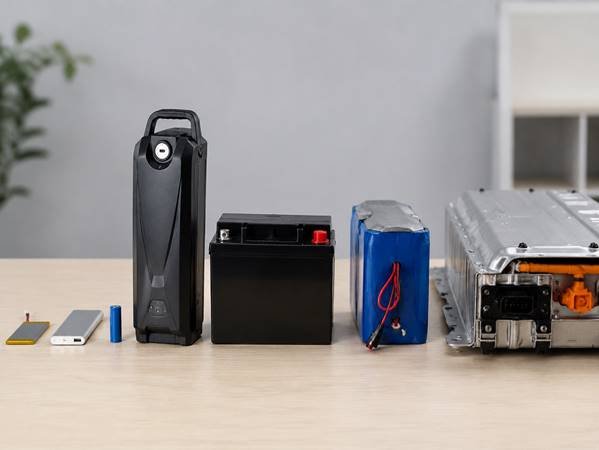
1. Portable batteries: small sealed batteries that we usually carry with us, such as batteries in mobile phones, power banks, laptops, and wireless earphones. The core keyword in the regulatory definition is “weight ≤ 5kg, not for industrial/automotive/starting purposes”.
2. Light means of transport batteries (LMT for short): batteries used for light mobility vehicles such as electric bicycles, electric scooters, and electric balance vehicles. The core keyword is “weight ≤ 25kg, used for light means of transport”.
3. Automotive starting batteries (SLI for short): special batteries used for starting, lighting, and powering on-board electronic equipment in fuel vehicles and hybrid vehicles, not for providing power to the vehicle. The core keyword is “used for starting/lighting/ignition purposes”.
4. Industrial batteries: usually non-portable, non-LMT, non-SLI, non-EV batteries, especially including batteries for energy storage or industrial purposes such as energy storage power stations, household energy storage, and industrial equipment; when judging, you should still first look at the intended use, then look at parameters such as capacity and weight.
5. Electric vehicle batteries (EV for short): power traction batteries for new energy vehicles such as pure electric and plug-in hybrid vehicles, that is, large batteries that provide main power for the vehicle. The core keyword is “used for power traction of road vehicles”.
The most easily confused classification boundaries
Many people are prone to misclassification when they first come into contact with it. Here are a few common confusion points specially listed:
• The battery of an electric bicycle is not a portable battery, but an LMT category, with stricter requirements than portable batteries;
• Household energy storage batteries are not portable batteries either, and are managed according to the rules of industrial batteries;
• Even built-in batteries soldered in equipment (such as built-in mobile phone batteries) are within the jurisdiction, it is not that you don’t need to care if they are installed in the equipment;
• Second-hand batteries, remanufactured batteries, and repurposed batteries (such as retired electric vehicle batteries transformed into household energy storage) also need to meet the requirements of the corresponding categories.
Clear exclusions and cases requiring case-by-case judgment
Of course, not all batteries need to comply. There are two categories that are clearly excluded: one is batteries used for weapons, ammunition, and war materials related to the security interests of EU member states; the other is batteries used for equipment sent into space.
There are also some cases that require case-by-case judgment, such as batteries for medical equipment, batteries for scientific research prototypes, and small-batch customized batteries. These need to be combined with the corresponding special regulatory provisions to confirm whether there is an exemption.
Who shall bear the compliance responsibility?
Many people think that only local EU enterprises need to comply, but this is not the case. As long as your batteries are to enter the EU market, no matter where your enterprise is located, you must bear the corresponding responsibilities. The specific responsible entities are divided into several categories:
• Producers and brand owners within the EU: bear primary responsibility for product compliance;
• EU importers: who bring batteries produced outside the EU into the EU market, need to verify the compliance of the upstream;
• Online and offline sellers and e-commerce platforms within the EU: shall not sell obviously non-compliant products;
• Overseas manufacturers selling to the EU: do not need to register a company in the EU by themselves, but must bear compliance responsibilities through “economic operators” within the EU (such as importers, authorized representatives, fulfillment service providers). Note that it is not mandatory to appoint an authorized representative, and there are multiple types of entities to choose from;
• Ordinary consumers: only need to hand over waste batteries to recycling points according to local rules, and do not need to bear enterprise-level compliance obligations.
7 Key Rules to Comply With
There are many requirements in this regulation. For the entry stage, it is enough to master the 7 most core ones. Different types of batteries are subject to different requirements, and we will explain how to correspond later.
1. Hazardous substance restriction: stricter control of toxic substances
This is a requirement continued from the old version, which will be officially applicable from February 18, 2024. It mainly limits the content of toxic and harmful substances such as mercury, cadmium and lead in batteries to avoid harm to the environment and human body. Different types of batteries have different limit values, and some special scenarios (such as some medical equipment) have exemptions.
2. Performance and durability requirements: false marking of capacity and life is prohibited
It is also a basic requirement that will be gradually applicable from February 18, 2024. The core is that the capacity, life and other parameters of batteries shall not be falsely marked, and key performance indicators such as real capacity, cycle life, charge and discharge must be marked. Some rechargeable batteries will also gradually apply minimum durability requirements according to categories and applicable dates. All rechargeable batteries shall not be treated with the same index at the same time, so as to avoid serious attenuation after only a few uses. Different types of batteries have different performance requirements, subject to the standards of the corresponding classification.
3. Carbon footprint requirement: batteries need to keep a “carbon emission account”
This is a key new requirement in the new version. Simply put, it is necessary to calculate the total carbon emission of the entire chain of batteries from production to transportation according to EU standards, and make it public, so that consumers and regulators can know the “carbon cost” of this battery.
The carbon footprint requirement is not rolled out all at once. It first covers electric vehicle batteries, rechargeable industrial batteries with a capacity greater than 2kWh, and LMT batteries, and will be gradually expanded later. It will be implemented in three stages:
• Declaration stage: electric vehicle and large industrial batteries need to publish carbon footprint declarations from August 2024, and LMT batteries need to publish them from August 2025;
• Grading stage: carbon footprint performance grading will be gradually implemented from 2026, similar to the energy efficiency label of home appliances, dividing the carbon emission of batteries into different grades;
• Limit stage: the maximum access threshold for carbon footprint will be gradually set from 2027, and batteries exceeding the threshold cannot enter the EU market.
It should be noted that the EU is still issuing subsequent delegated acts to refine details such as specific accounting methods and grading standards, which shall be subject to the latest official announcement.
4. Circular-related requirements: removability, recycling and recycled materials
This part is also the focus of the new version. The core is to improve the recycling rate of batteries and reduce waste, mainly including the following aspects:
First, the removable and replaceable requirement: portable batteries installed in equipment need to be able to be removed and replaced by end users themselves; LMT batteries need to be able to be removed and replaced by independent professional maintenance personnel. But this requirement is not absolute. If there are special circumstances such as safety risks, waterproof requirements, medical purposes, data integrity protection, etc., exceptions can be made. It does not mean that irreversible welding is completely prohibited. For example, the batteries of many waterproof mobile phones may not need to meet the replaceable requirement due to waterproof requirements.
Second, the recycling efficiency target: minimum recycling ratios are set for different types of batteries, which will be implemented in stages to ensure that waste batteries can be effectively recycled.

Third, the recycled material proportion requirement: from 2031, new batteries of electric vehicle, industrial and SLI categories must contain a minimum proportion of recycled key metals such as cobalt, lithium and nickel, to reduce dependence on primary minerals.
The cost bearing of this part implements Extended Producer Responsibility (EPR). Simply put, whoever produces and sells the product shall bear the recycling and treatment cost after the product is scrapped, and cannot pass the cost on to consumers and the government.
5. Label and QR code requirements: batteries must have clear “identification”
Basic labeling requirements will be gradually applicable from February 18, 2024, and QR code requirements will be implemented in stages. The physical label needs to be marked with capacity, chemical composition, recycling mark, CE mark, responsible party information and other content. Different types of batteries have different items to be marked.
Some batteries also need to be affixed with a QR code, and you can see the corresponding compliance information by scanning the code; ordinary portable batteries may also need to be affixed with a QR code, but they do not need to be as complicated as the digital battery passport mentioned later. The regulation explicitly prohibits false publicity such as false marking of capacity and concealment of chemical composition.
6. Digital battery passport: “full life cycle electronic file” for important batteries
The digital battery passport is one of the most concerned contents in the new regulation. Simply put, it is to equip large-capacity or vehicle batteries with an electronic identity file, which records the full-chain compliance information of the battery from raw material mining to end-of-life recycling, equivalent to the “full life cycle ID card” of the battery.
This requirement will be mandatory on February 18, 2027, and not all batteries need it. Only electric vehicle batteries, LMT batteries, and industrial batteries with a capacity greater than 2kWh need it, and ordinary portable batteries (such as mobile phone batteries, power banks) do not.
The core information of the battery passport includes raw material sources, carbon footprint, maintenance records, recycling guidelines, etc., which can be accessed by scanning the exclusive QR code on the battery, and all information must be true and verifiable.
7. Supply chain due diligence: raw material sources must be compliant
This is also a new requirement in the new version. The core is to ensure that the sources of key raw materials such as cobalt, lithium and nickel are legal and compliant, and shall not involve child labor, environmental damage, armed conflicts and other issues.
This requirement will be officially applicable on August 18, 2025, and has a certain threshold: it usually does not apply to economic operators with a net turnover of less than 40 million euros in the previous fiscal year, but if it is a group or affiliated enterprise, the turnover needs to be calculated on a consolidated basis, subject to official guidelines.
The core requirement is to follow the OECD due diligence framework, identify risks of upstream suppliers, regularly publish compliance reports, accept random inspections by EU regulatory authorities, and third-party verification is required in some scenarios.
Not implemented all at once: phased implementation rhythm and targets
There are many requirements in this regulation, which are not all implemented at once, but are gradually implemented in stages from 2023 to 2031, leaving enough preparation time for enterprises.
Core time nodes
First remember a few of the most critical time points:
• July 28, 2023: the regulation was officially published in the ;
• August 17, 2023: the regulation enters into force as a whole (legally valid, but most provisions have a transition period);
• February 18, 2024: most basic provisions (hazardous substances, basic labels, performance requirements, etc.) are applied for the first time;
• August 18, 2025: completely replace the old battery directive, and supply chain due diligence officially takes effect;
• February 18, 2027: digital battery passport is mandatory, and medium-term recycling/collection targets are implemented;
• 2031: the first-stage proportion requirement of key metal recycled materials and long-term recycling targets officially take effect.
Key quantitative targets
There are many quantitative targets in the regulation. For your convenience, they are organized into a table. Note that most of these targets are for the producer responsibility systems of member states or enterprises, not personal obligations of ordinary consumers:
| Target type | Applicable battery type | Time node | Target value | Remarks |
| Collection rate | Portable batteries | 2027 / 2030 | 63% / 73% | For the producer responsibility system of member states, not a personal obligation of consumers |
| Collection rate | LMT batteries | 2028 / 2031 | 51% / 61% | Same as above |
| Recycling efficiency | Lithium batteries | 2025 / 2030 | 65% / 70% | Refers to the proportion of available materials from whole battery recycling to the total weight |
| Recycling efficiency | Lead-acid batteries | 2025 / 2030 | 75% / 80% | Same as above |
| Metal recovery rate | Cobalt/copper/lead/nickel | 2027 / 2031 | 90% / 95% | Refers to the proportion of the metal recovered from waste batteries to the total content in the battery |
| Metal recovery rate | Lithium | 2027 / 2031 | 50% / 80% | Same as above |
| Proportion of recycled materials (first stage) | EV/industrial/SLI batteries | 2031 | Cobalt 16%, lead 85%, lithium 6%, nickel 6% | Refers to the proportion of recycled metals used in new batteries |
How to check when your product’s corresponding requirements take effect?
Different types of batteries and different requirements have different effective times. You don’t need to memorize them by rote. Just check in these three steps:
Step 1: First determine which of the 5 categories mentioned above your battery belongs to;
Step 2: Confirm the specific time when your battery is placed on the EU market;
Step 3: Compare with the effective date of the corresponding provisions, and pay attention to whether there is a transition period arrangement.
It is also reminded that the EU may issue delegated acts to refine relevant requirements in the future, so the final rules shall be subject to the latest official announcement.
If you really want to export, how to implement compliance?
If your products are to be exported to the EU, it is not enough to just know the requirements. You also need to know how to implement them specifically. Here are the core implementation points sorted out.
Division of responsibilities of the four core entities
Different roles bear different responsibilities. First figure out which category you belong to:
• Manufacturer: ensure that the design and production of products meet all requirements, prepare technical documentation, affix the CE mark, and issue an EU declaration of conformity;
• Importer: verify the compliance of upstream manufacturers, keep technical documentation, and mark their own name, address and contact information on the product;
• Distributor/seller/platform: check the basic compliance marks of products before sales, shall not sell obviously non-compliant products, and report in time if problems are found;
• Overseas manufacturers selling to the EU: bear the same compliance responsibilities as EU manufacturers through economic operators within the EU (importers, authorized representatives, fulfillment service providers are all acceptable).
Basic compliance steps for placing on the EU market
Generally speaking, to sell batteries to the EU, you need to complete at least these four steps:
Step 1: First accurately classify the batteries and match the corresponding regulatory requirements. This is the most basic step. If the classification is wrong, everything later will be wrong;
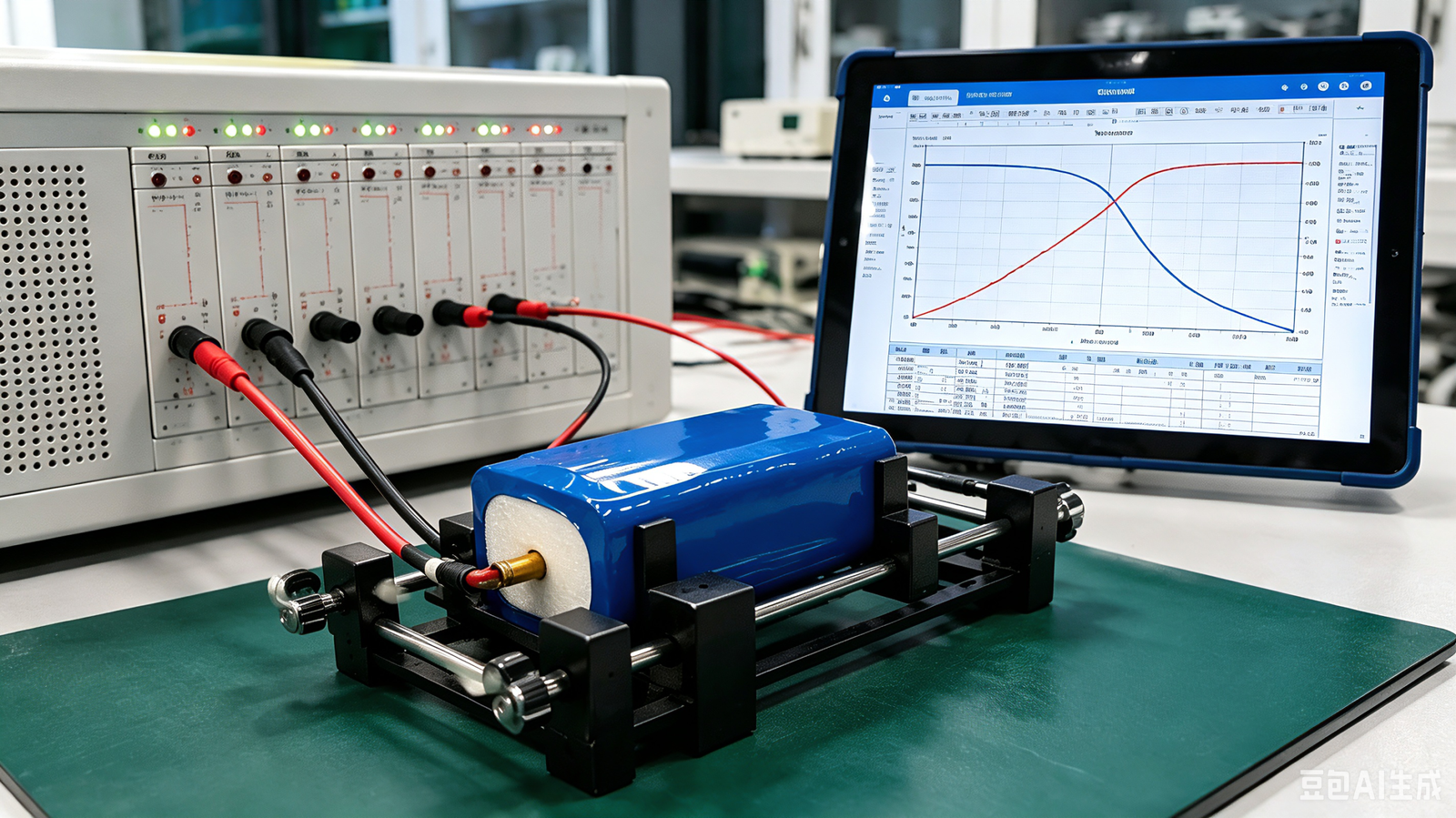
Step 2: Complete product testing, prepare technical documentation, affix the CE mark, and issue an EU declaration of conformity;
Step 3: Complete the Extended Producer Responsibility (EPR) registration in the target member state where you want to sell;
Step 4: Prepare labels, QR codes or digital battery passports as required (if applicable).
Relationship with adjacent EU regulations: don’t miss or repeat compliance
Many export enterprises have heard of regulations such as CE, RoHS, REACH. What is their relationship with the new battery regulation? Will there be repeated compliance? Let’s sort it out here:
• Relationship with CE certification: The new battery regulation is one of the applicable regulations for the CE mark. That is to say, affixing the CE mark on the battery means that it meets the relevant EU regulations including the basic requirements of the new battery regulation, but CE is only a basic compliance declaration, which does not mean that all requirements of the new battery regulation are met. For example, requirements such as carbon footprint, digital battery passport, and proportion of recycled materials still need to be met separately.
• Relationship with RoHS: For the restriction of hazardous substances such as mercury, cadmium and lead in the battery itself, the new battery regulation shall be checked first; but if the battery is installed in electrical and electronic equipment, the equipment itself may still need to meet the RoHS requirements. Don’t confuse battery compliance with the RoHS compliance of the whole machine.
• Relationship with REACH: REACH is a regulation governing the registration, evaluation, authorization and restriction of chemicals. Chemical substances used in batteries also need to meet the requirements of REACH at the same time.
• Relationship with WEEE/packaging regulations: WEEE is a regulation governing the recycling of electronic waste, and packaging regulations govern packaging materials. They are parallel to the EPR requirements of the new battery regulation, and need to be registered and complied with separately. It cannot be said that after doing the EPR for batteries, you don’t need to do the EPR for WEEE or packaging regulations.
Core implementation material list for export enterprises
To prove that your products are compliant, you need to prepare at least these materials:
• Basic judgment category: battery classification judgment form, product use and parameter description;
• Compliance certification category: test report, technical document, EU declaration of conformity, CE mark draft;
• Identification information category: label draft, QR code data content, battery passport data fields (only required for applicable products);
• Registration and due diligence category: EPR registration number, supply chain due diligence report, raw material traceability materials.
Common consequences of non-compliance
If you are not compliant, you may face these consequences:
• Products are detained by customs, prohibited from entering the country, or forcibly removed from shelves by e-commerce platforms;
• Products already sold need to be recalled, and all relevant losses shall be borne by the responsible party;
• Regulatory authorities of member states can impose fines, and the specific amount shall be determined by the local laws of each country;
• Serious non-compliance may affect the long-term access qualification of the brand in the EU.
8 Most Common Pitfalls to Avoid
Many people are easily misled by some wrong information when they first come into contact with this regulation. Here are the 8 most common misunderstandings sorted out to help you avoid pitfalls.
Subject-related misunderstandings
1. Misunderstanding: Only local EU enterprises need to comply
Correction: As long as your batteries are to enter the EU market, no matter where your enterprise is located, you must bear the compliance responsibility. Overseas enterprises need to bear the same responsibility through economic operators within the EU. It is not that you can’t be regulated if you are not in the EU.
2. Misunderstanding: Overseas manufacturers selling to the EU must appoint an EU authorized representative
Correction: The requirements can be met through various entities such as importers, authorized representatives, and fulfillment service providers. It is not the only choice to have an authorized representative. You can choose according to your actual situation.
Scope-related misunderstandings
3. Misunderstanding: The requirements for all batteries are exactly the same
Correction: The requirements for batteries of different types, capacities and uses vary greatly. For example, the requirements for portable batteries and electric vehicle batteries are completely different. You must first classify them and then check the requirements, and cannot generalize.
4. Misunderstanding: Built-in batteries, second-hand/remanufactured batteries do not need to meet the requirements
Correction: Built-in batteries embedded in equipment, second-hand batteries, remanufactured batteries, and repurposed batteries all fall within the jurisdiction and need to meet the requirements of the corresponding categories.
5. Misunderstanding: Digital battery passports apply to all batteries
Correction: Only electric vehicle batteries, LMT batteries, and industrial batteries with a capacity greater than 2kWh are required from 2027, and ordinary portable batteries (such as mobile phone batteries, power banks) are not required.
Implementation-related misunderstandings
6. Misunderstanding: The regulation has been fully implemented, and non-compliance will be fined immediately now
Correction: The regulation is not implemented all at once. Some basic provisions have been applicable since February 18, 2024. Subsequent requirements such as carbon footprint, due diligence, battery passport, and proportion of recycled materials will be gradually added according to the timetable from 2025 to 2031. Enterprises should first confirm the product category and the time of placing on the market, and then judge the currently effective obligations. There is no need to be overly anxious, but they should also prepare in advance.
7. Misunderstanding: Having the CE mark means full compliance
Correction: CE is only a basic compliance declaration, which means meeting the basic safety and compliance requirements, but new requirements such as carbon footprint, digital battery passport, proportion of recycled materials, and supply chain due diligence all need to be met separately. It is not that everything is fine with CE.
8. Misunderstanding: Recycling targets are personal obligations of consumers
Correction: Targets such as collection rate and recovery rate are for the producer responsibility systems of member states and enterprises. Ordinary consumers only need to hand over waste batteries to recycling points according to local rules, and do not need to bear these indicators.
The core principle of quickly avoiding pitfalls is actually very simple: first clarify the battery classification and your own responsible role, then check the requirements of the corresponding stage against the timeline, prepare materials in advance, and don’t rush to make up for it when the deadline is approaching.
3-step self-check: Do you/your products need to comply?
After reading the previous content, if you are still not sure whether you need to comply, you can make a quick judgment in these 3 steps.
Step 1: Determine whether the product is within the jurisdiction
First ask yourself three questions:
• Are you involved in the production, import or sale of batteries in the EU market?
• Is your battery an ordinary commercial/civil battery other than the clearly excluded items mentioned above?
• If it is a finished product containing batteries (such as mobile phones, electric vehicles), the batteries inside also need to meet the relevant requirements of the battery regulation.
If the answer is yes, then it is basically within the jurisdiction.
Step 2: Determine whether you are a responsible entity
Then see which role you belong to:
• Are you a producer, importer, seller, platform, or an overseas manufacturer selling to the EU?
• Do you have a compliant economic operator within the EU to bear the corresponding responsibility?
• If you are just an ordinary consumer, you don’t need to bear enterprise-level compliance obligations.
Step 3: Determine the specific requirements that need to be met currently
If it is determined that compliance is required, then refine it:
• First determine which of the 5 categories your battery belongs to;
• Then confirm the time when the battery is placed on the EU market;
• Compare with the previous implementation schedule to match the requirements of the corresponding stage.
If you are not sure, you can query through these official channels:
• The official EU battery regulation special page;
• The market supervision department of the member state you target for sales;
• Compliance consulting institutions with relevant qualifications.
Quick self-check list
For your convenience, two versions of the quick self-check list are sorted out:
Version for export sellers to the EU
• □ Confirm that the sold batteries/battery-containing products need to be placed on the EU market
• □ Have clarified the specific classification of the batteries
• □ Have checked the compliance requirements of the corresponding stage
• □ Have prepared the CE mark, basic labels and technical documentation
• □ Have completed the EPR registration in the target member state
Version for ordinary consumers
• □ The battery has clear capacity and chemical composition marks
• □ Has standard recycling mark and CE mark
• □ Marked with brand or responsible party information
• □ Applicable batteries can scan the QR code to view complete compliance information
Final summary
The core logic of the EU’s new battery regulation is to make enterprises that produce and sell batteries responsible for the entire life cycle of their products, and ultimately promote the battery industry to develop in a more environmentally friendly and sustainable direction. Whether you are an export enterprise or an ordinary consumer, mastering the following core conclusions can cope with most scenarios:
• Regulation positioning: This is a set of EU unified access rules covering the entire chain of battery design, production, import, sales and recycling. The core requirements are applicable throughout the EU, and only EPR registration, penalties and law enforcement details are formulated by each member state on its own.
• Classification judgment: The regulation divides batteries into 5 categories according to intended use. The requirements of different categories vary greatly. When judging, priority is given to use, then reference is made to parameters such as weight and capacity. Built-in batteries, second-hand/remanufactured batteries are also within the jurisdiction.
• Time matching: All requirements are implemented in stages from 2024 to 2031. Enterprises only need to first confirm the product category and the time of placing on the market, and then check the currently effective obligations against the timetable.
• Export implementation: Export enterprises need to first clarify their own responsible roles, complete basic steps such as classification judgment, testing and certification, and EPR registration, and at the same time pay attention to distinguishing the applicable boundaries between the new battery regulation and adjacent regulations such as CE, RoHS, REACH, WEEE, etc., to avoid missing or repeated compliance.