
If you’ve recently bought a phone or tablet in the EU, or purchased EU-version electronic products via cross-border overseas shopping, you’ll most likely find that the USB-C port is becoming more and more common. There are all kinds of claims online: some say old-port devices will be completely unusable after the end of 2024, some say laptops also need to switch ports immediately, and others say phones will no longer come with chargers in the future. In fact, most of these claims fail to understand the time boundaries of this rule — it is not a one-size-fits-all policy, and the time requirements for different devices and different scenarios are completely different. This article sorts out core information from basic concepts to pitfall-avoiding details, to help you judge device compliance on your own and avoid the misleading of fragmented information.
First, Understand 3 Basic Questions for Beginners
Before memorizing the timeline, clarify a few core concepts first, otherwise it’s easy to still fall into pitfalls after reading for a long time.
What Exactly Is This Rule?
The “EU unified charger rule” we often talk about is essentially an amendment to the adopted by the EU through — the “radio equipment” here is a product category in EU regulations, not referring only to devices that can only be charged wirelessly. Commonly used devices such as mobile phones, tablets, and headphones, even if they mainly rely on wired charging, usually fall into this category. This is a mandatory market access rule, not a recommended standard for voluntary industry compliance: as long as it is a radio device listed in the directive, with a rechargeable battery and supporting wired charging, it must meet the requirements to be first placed on the EU market for sale, otherwise it cannot be legally marketed.
Its core goal is to reduce electronic waste, so that users do not have to accumulate a pile of different chargers every time they switch brands. You don’t have to worry about throwing away your old devices at all: this rule only constrains products first placed on the EU market, and does not force users to eliminate existing old devices.
Why Should Ordinary Users Care About the Timeline?
You may think that this is a rule set for manufacturers and has nothing to do with ordinary users? In fact, understanding the timeline can help you avoid a lot of pitfalls:
• When buying devices locally in the EU, you can judge whether the port is compliant on your own, without being misled by marketing rhetoric;
• When buying EU-version products via cross-border shopping or proxy shopping, you can distinguish legal stock from illegal new products to avoid pitfalls;
• You can reasonably plan the charger replacement rhythm, and do not blindly follow the trend to eliminate old devices that are still usable.
2 Must-Know Time Terms (No Need to Memorize Legislative Terms)
You don’t need to memorize complex legislative terms, just understand two concepts that are directly related to you:
• Compliance deadline: the last date by which new products placed on the EU market must meet the standards. This is the time you should pay the most attention to, and other legislative timelines are only for reference.
• First placed on the EU market: refers to the legal node when a product is first officially provided to dealers, importers or consumers in the EU market, not equal to the production date, warehouse entry time, e-commerce listing time, nor the consumer’s purchase time. This concept is the core of all time rules and will be used repeatedly later.
Core Timeline: 2 Must-Remember Dates + 2 Nodes for Reference
The timeline of the entire rule is complex if you think it is, and simple if you think it is. Most people only need to remember 2 deadlines, and the rest is enough to understand the background.
Legislative Preparation Stage: Just Know There Is a Buffer Period
The rule did not appear suddenly, there is a clear legislative and implementation preparation cycle in advance. Users don’t need to memorize it specifically, just know that manufacturers have enough time to adjust:
• December 7, 2022: The regulatory text was officially published in the Official Journal of the European Union, and it officially takes effect on the 20th day after publication, establishing the basic legal framework for subsequent implementation. Specific implementation shall be subject to the current legal text and announcements of competent authorities;
• According to regulatory requirements, EU member states must adopt and publish necessary domestic implementation measures before December 28, 2023, to transpose EU-level rules into local implementation rules of each country. The specific law enforcement progress and regulatory standards are determined by the competent authorities of each country.
Must Remember: 2 Mandatory Compliance Deadlines
These two dates are the core, just check them when buying things:
• December 28, 2024: Mandatory compliance for most portable electronic devices listed in the directive;
• April 28, 2026: Mandatory compliance for laptop computers.
The logic of the entire timeline is very clear: after the regulation is implemented at the end of 2022, a 2-year buffer period is given. Portable devices with lower technical difficulty comply first, and then an additional 16-month buffer period is given to adapt to more complex laptops. All requirements only apply to products first placed on the EU market.
Corresponding Time by Category: Which Tier Does Your Device Belong To?
First, a general reminder: only products that belong to the radio equipment categories listed in the directive, are equipped with rechargeable batteries and support wired charging need to be judged for compliance according to the following timeline. Those that do not meet these three conditions do not need to apply this set of rules.
We divide common devices into three tiers by time, and the table supplements applicable prerequisites to prevent you from making judgments based solely on product names:
| Compliance Date | Covered Categories | Applicable Prerequisites | Core Requirements |
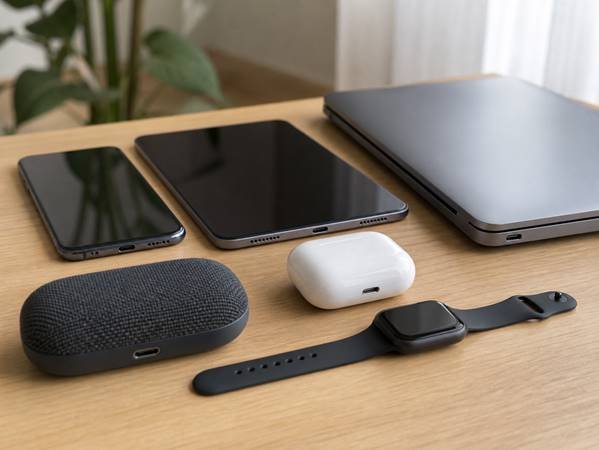
| December 28, 2024 | Mobile phones, tablets, digital cameras, headphones/headsets, handheld game consoles, portable speakers, e-book readers, keyboards, mice, portable navigation devices; separately sold matching chargers | 1. The device belongs to the radio equipment categories listed in the directive, is equipped with a rechargeable battery and supports wired charging; 2. Separate chargers refer to external power supplies matched for the above devices and sold separately for the EU market | Device side: The wired charging port must be USB-C with corresponding charging capability; if the charging voltage exceeds 5V, current exceeds 3A or power exceeds 15W, it must comply with the relevant USB Power Delivery communication specifications.<br>Separately sold chargers: Must comply with USB-C port specifications, and meet corresponding charging communication and power requirements in combination with their rated power |
| April 28, 2026 | All laptop computers (including thin and light laptops, gaming laptops, professional workstations) | Belong to the radio equipment categories listed in the directive, equipped with rechargeable batteries and support wired charging | The wired charging port must be USB-C with corresponding charging capability; since laptops generally have higher power, they usually need to comply with the relevant USB Power Delivery communication specifications |
| No mandatory time set yet | Ultra-small wearables such as smart watches/fitness bands, desktop computers, monitors, electric toothbrushes, shavers, medical/industrial equipment, listed category devices that have no wired charging capability at all | 1. Ultra-small wearables are currently not included in the categories listed in the directive, and the EU is evaluating the feasibility of inclusion; 2. Categories such as desktop computers are not within the scope of radio equipment listed in the directive, or have no rechargeable battery/no wired charging function; 3. Listed category devices that have no wired charging capability at all are temporarily not subject to USB-C port requirements; if they also retain the wired charging function, they still need to be judged according to the corresponding category | Not bound by this rule |
Tier 1: Portable Devices Mandatory by End of 2024
The first tier in the table covers commonly used portable devices. What people are easily confused about is the requirements for separate chargers: not all USB-C chargers must support the same level of fast charging. Low-power ordinary chargers only need to comply with port and basic communication specifications, and only scenarios with power exceeding 15W require corresponding USB PD capability. The iPhone 15 series, which many people are familiar with, switched to USB-C in 2023, which is a spontaneous early adaptation by the manufacturer, not a mandatory requirement at that time.
Tier 2: Laptop Computers Mandatory by End of April 2026
The reason why a separate 16-month additional buffer period is set for laptop computers is that their charging power varies greatly — from 30W for low-power thin and light laptops to over 200W for high-power gaming laptops and workstations. The technical complexity of adapting to USB-C charging specifications is higher, so manufacturers are given more sufficient adjustment time. All laptops with rechargeable batteries and wired charging support, regardless of positioning, must comply with the deadline of April 28, 2026.
Devices Not Mandatory for Now
Here we need to specifically explain the boundary of “wireless charging”: if a device has no wired charging capability at all, it is not subject to USB-C port requirements; if the product advertises “supports wireless charging” but also retains a wired charging port, it still needs to be judged according to the time rules of its category. In addition, ultra-small wearable devices such as smart watches and fitness bands are not yet included in the mandatory scope. The EU is evaluating the feasibility of inclusion, and any adjustments will be announced in advance.
Details of Time Boundaries That Are Easy to Fall Into
Many people get the rules wrong because they don’t understand the time boundaries — it’s not that everything changes after the deadline, there are several details that are particularly easy to pit.
Deadlines Only Constrain First Placement, Do Not Involve Stock and Existing Devices
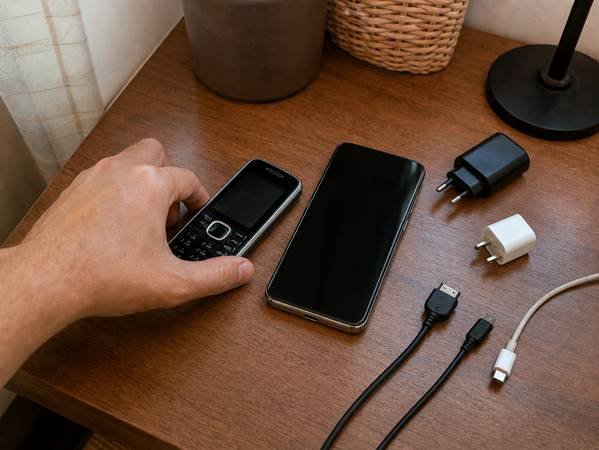
The biggest misunderstanding many people have about the rule is that after the deadline, old-port devices will no longer be seen in the EU market. In fact, the regulatory object is very clear: only for products first placed on the EU market after the corresponding deadline.
If the product has completed its first placement before the deadline, subsequent sales as stock are usually legal and can be sold out; but if it is only transported to the warehouse before the deadline and has not completed the legal procedure of first placement, it cannot be deemed legal just because “there is stock”. Production time, warehouse entry time, e-commerce listing time, and consumer purchase time cannot be directly equated with the first market placement time. The specific situation shall be subject to official placement records and local regulatory determinations.
In addition, the rules do not involve old devices already purchased by consumers — regulations will not require users to eliminate their products just because of port unification. Whether to continue using should be judged based on the actual situation such as the safety status and battery condition of the device itself.
Rules for Chargers Included with Devices
Many people wonder “will phones still come with chargers after unified chargers”. In fact, the directive neither mandates inclusion nor mandates exclusion, and it is entirely up to the manufacturer to decide.
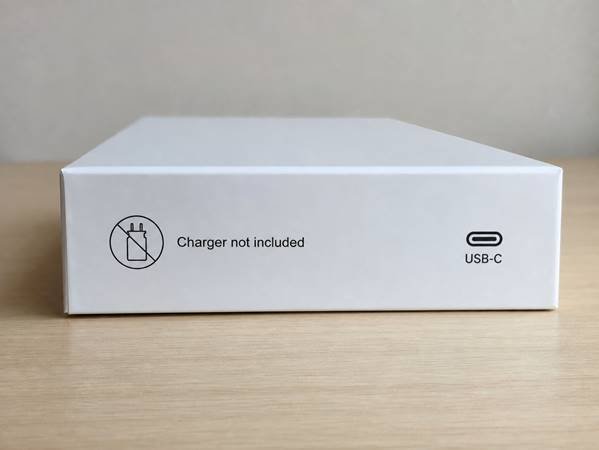
The regulation only puts forward two clear requirements: first, if a charger is included, the charger must comply with the corresponding USB-C port and communication specifications; second, the product packaging must display a diagram or relevant information indicating whether a charger is included as required. You can check the product page or manual before buying, but the final legal label is subject to the product packaging.
Applicable Boundary for Personal Carriage and Cross-Border Purchase
Many users who do cross-border shopping or travel between borders care about whether their old-port devices will be restricted. The core depends on the nature of the behavior:
If it is for personal use — for example, bringing an old-port phone from China to the EU for use, or personally buying a non-EU version device for your own use via cross-border shopping, as long as it is not a commercial placement behavior for the EU market, it is usually not subject to this rule.
If it is commercial operation — for example, opening a store on a platform in the EU, engaging in proxy shopping resale and providing products to EU consumers, the operator needs to bear the supply chain compliance responsibility: if the product is confirmed to be in the applicable category, it must meet the requirements if the first placement time is later than the deadline; but stock products that have been legally placed before the deadline will not automatically become illegal when resold later. It should be noted that simply sending self-use goods of non-EU market versions to individuals from outside the EU cannot be directly judged as illegal just under the name of “proxy shopping”, it needs to be judged in combination with the actual transaction model and local regulatory requirements.
Judgment Rules for Second-Hand and Refurbished Devices
The core of compliance judgment for second-hand and refurbished devices is whether it triggers the determination of “first placement”, divided into two common situations:
The first is ordinary personal second-hand resale, or official refurbished products that only undergo basic cleaning and testing after completing first placement — this type belongs to the re-circulation of already marketed products, usually does not trigger new compliance requirements, and old-port models can also be sold legally.
The second is refurbished products that have undergone substantial transformation or replacement of core components. If they are recognized as “remanufactured new products” by the local competent authority, they need to be re-checked according to the current applicable compliance requirements.
The specific determination needs to be combined with the degree of refurbishment and the factual judgment of local supervision, and cannot be generalized.
Practical Judgment Method: 3 Steps to Quickly Check Whether a Product Is Compliant
Next time you’re not sure if an EU-version product is compliant, just check these three steps:
Step 1: First Check the Product Category and Attributes, Corresponding to the Deadline
First verify three prerequisites: whether it belongs to the device categories listed in the directive, whether it is equipped with a rechargeable battery, whether it supports wired charging. Only when all three conditions are met do you need to continue judging, otherwise you don’t need to apply this set of rules.
If all are met, then correspond to the deadline: small portable devices such as mobile phones, tablets, headphones correspond to December 28, 2024, and laptops correspond to April 28, 2026.
Step 2: Confirm the Sales Market and First Placement Time
This rule only applies to products sold for the EU market, and non-EU versions such as US version, Japanese version, and domestic Chinese version are not mandatory.
Then check the first placement time: if the time when the product is first placed on the EU market is later than the corresponding deadline, it must have a USB-C port; if it is earlier than the deadline, it may be legal stock, and old ports are fine. Ordinary users can use “product launch region + launch year” for a rough initial screening, but this is only a reference and cannot replace official compliance determination.
Step 3: Verify Labels and Parameters
If the first two steps are met, you can further check: the port type label on the packaging, the legal description of whether a charger is included, and the charging protocol and power information in the product parameters. If it is confirmed that the product is first placed on the EU market after the deadline, belongs to the applicable category but still uses an old port, you can complain to the local consumer protection agency.
Clarification of Common Time Misconceptions
We have sorted out 6 of the most easily mistaken statements. The core logic is consistent with the “first market placement” boundary mentioned earlier, and you can compare and understand:
Misconception 1: After the end of 2024, old-port devices will no longer be available for purchase in the EU
Truth: The rule only constrains products first placed after the deadline, and stock that has been legally placed can continue to be sold out.
Quick judgment: When buying old models, ask clearly whether it is stock clearance or a newly launched model.
Misconception 2: All electronic products must switch to USB-C by the end of 2024
Truth: Only radio equipment listed in the directive, with rechargeable batteries and supporting wired charging need to comply, and other categories are not mandatory for now.
Quick judgment: If it is not in the listed categories such as mobile phones/tablets/headphones/laptops, or has no wired charging function, don’t worry about the port.
Misconception 3: Laptops and small devices are forced to switch to USB-C at the same time
Truth: The mandatory compliance time for laptops is April 28, 2026, 16 months later than portable devices.
Quick judgment: When in doubt, prioritize verifying the time when the product is first placed on the EU market, not the purchase time.
Misconception 4: Unified charger means chargers must be included/must not be included
Truth: Manufacturers can decide whether to include chargers on their own, only requiring that the packaging clearly marks relevant information.
Quick judgment: Before buying, check the “charger included” description on the product page or packaging.
Misconception 5: All USB-C devices have the same charging speed
Truth: The regulation only unifies the port form and related information disclosure, and does not mandate unified charging power. The actual charging speed depends on the device demand, charger output capability, cable carrying capacity and protocol negotiation result, determined by the lowest power supply limit among the three and the device’s own charging limit.
Quick judgment: Fast charging speed depends on the parameter matching of the device, charger and cable, not just the port shape.
Misconception 6: Old-port devices cannot be used after the regulation takes effect
Truth: The rule only constrains the new product placement behavior for the EU market, and does not require users to eliminate purchased devices.
Quick judgment: Old devices in your hand can continue to be used as long as they meet the safe use conditions.
Future Developments and Authoritative Query Channels
Potentially Adjustable Timelines and Categories
At present, the core framework of the directive has been clarified, but there is still the possibility of dynamic adjustment:
• The EU is evaluating the feasibility of including ultra-small wearable devices such as smart watches. If new categories are added, or timelines or technical requirements are adjusted in the future, it shall be subject to the legal text officially released by the European Commission and the announcements of the competent authorities of each member state. There is currently no clear adjustment schedule;
• Each member state can stipulate its own violation penalty standards and specific law enforcement procedures, but cannot postpone or rewrite the product application dates and core application scope determined by the directive on its own. The core rules are unified across the EU.
Official Authoritative Query Channels
If you need to verify the latest rules, you can query through two official channels:
1. The “Common Charger” special page on the European Commission’s official website. You can also directly search for the regulation number to view the full legal text, as well as related Q&A and update instructions;
2. The official website of the consumer protection agency in the EU country you are in, which will publish easy-to-understand local implementation guidelines, suitable for ordinary users to refer to.
Please note that this article is only an introductory popular science, does not constitute legal advice, and specific compliance judgments shall be subject to official rules and the determination of competent authorities.
Final Summary
In daily consumption scenarios, as long as you remember three core judgment principles, you can basically avoid most pitfalls:
First, check the category first, then match the time: only devices that are listed in the directive, have rechargeable batteries and support wired charging need to comply — portable devices first placed on the EU market after December 28, 2024 must use USB-C, the mandatory time for laptop computers is April 28, 2026, and other categories or devices without wired charging function are not bound.
Second, the core of judgment is first placement: all compliance deadlines only apply to products first placed on the EU market, and old-port products legally placed before the deadline can continue to be sold; production, warehouse entry, and purchase times cannot be directly equated with placement time.
Third, the scope of application depends on the nature of the behavior: the rule only constrains commercial new product placement for the EU market, and personal use and ordinary second-hand resale are not restricted by port rules; commercial operators need to bear supply chain compliance responsibility to ensure that the new products they sell meet the requirements.